Catnip 101
Everything I wish I had known before turning half the balcony into a catnip plantation.
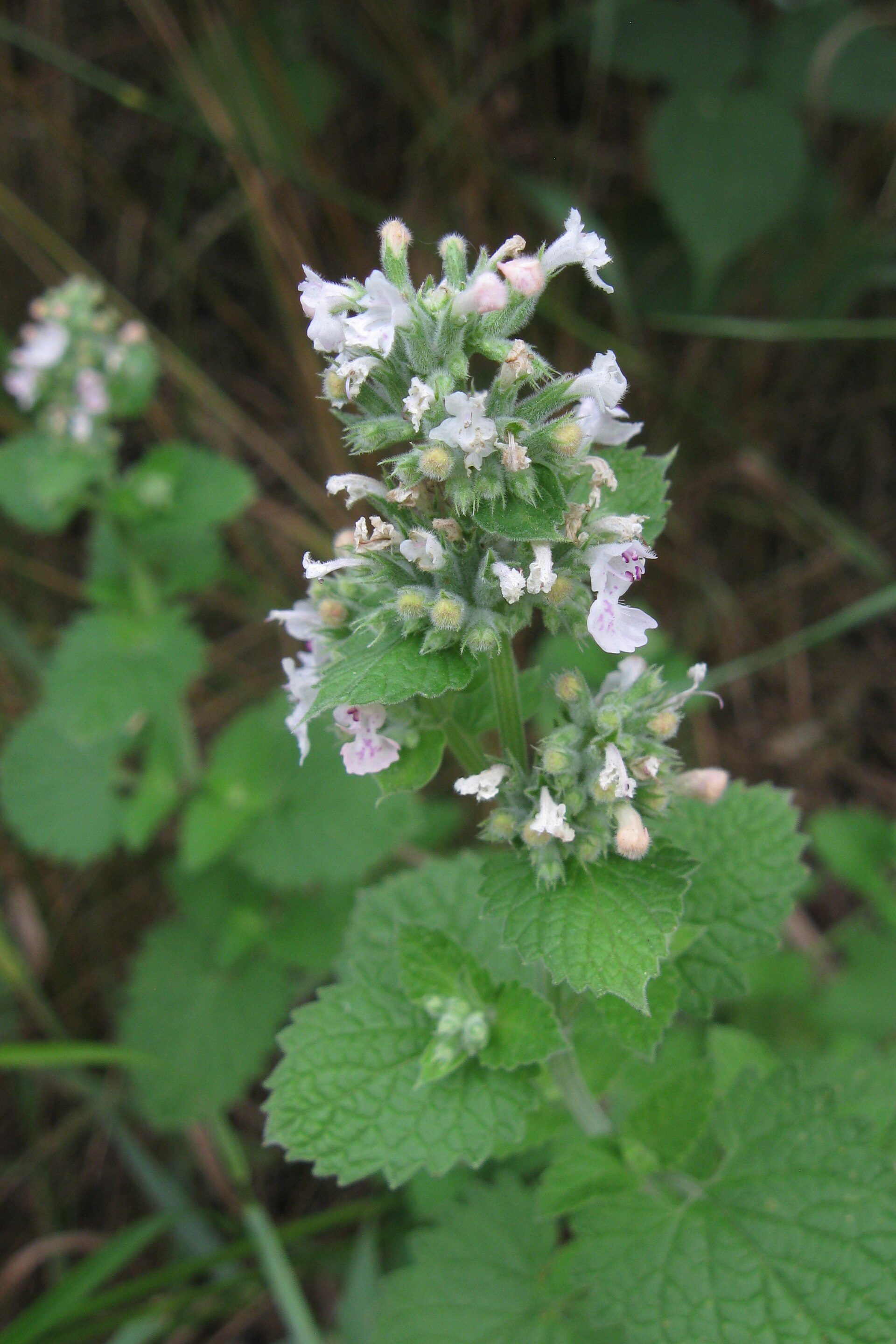
What it actually is
Catnip is Nepeta cataria, a perennial herb in the mint family. It grows to about half a metre, has grey-green leaves and small white or pale lilac flowers, and is hardy enough that the German winter does not bother it much. The active compound is nepetalactone, a volatile oil stored in the leaves.
Why cats react
Nepetalactone binds to receptors in a cat's nasal cavity and triggers a response that looks a lot like the cat's own pheromone system. The result: sniffing, rolling, head-rubbing, chewing, and the occasional full-body flop. The effect usually lasts five to fifteen minutes, after which the cat becomes temporarily "immune" — often for about half an hour.
Not every cat cares. Roughly two out of three cats respond, and the trait is inherited: kittens usually start reacting somewhere between three and six months old.
A few practical notes
- Fresh is stronger than dried. A leaf rubbed between your fingers releases more nepetalactone than a month-old toy.
- Don't overdo it. A pinch on the floor or a small toy is plenty. Cats can get overexcited and swipe.
- Skip it for kittens under about six months — most of them simply don't respond yet.
- Water and drainage matter more than sun. Catnip hates wet feet; the balcony boxes have a good layer of gravel at the bottom.
- It self-seeds. If you plant it once, you will be pulling seedlings out of the neighbours' pots next spring.
If your cat is unimpressed
About a third of cats have no reaction to catnip at all. Two good alternatives:
- Silvervine (Actinidia polygama) — contains actinidine and works for many catnip-nonresponders.
- Valerian root — smells like old socks to humans, apparently wonderful to cats.
None of these are harmful in normal amounts. If a cat eats a large quantity of fresh leaves it may get a mildly upset stomach, so keep the plant where it can be sniffed but not demolished.
The honest summary
It is a weed that makes cats happy. That is more or less the whole appeal. Mine is in three pots now, and I still have not worked out how to keep the neighbourhood tom out of them.